Families rarely prepare for senior treatment on a neat timeline. A parent handles well until a loss, or memory slides that seemed quirky instantly intimidate safety and security. Care requires arrive in waves and often shift without warning. Great assisted living expects those modifications and develops a structure that flexes with them. Future-proof elderly treatment is less about predicting every circumstance and more concerning layering adaptable assistances, so a local can live well today and still have options tomorrow.
The core promise: self-reliance with a security net
At its finest, Helped Living is developed to maintain freedom undamaged while taking care of the rubbing factors that threaten every day life. That equilibrium is vibrant. One resident might show up requiring just dish support and medicine tips. Another appears with mobility issues and diabetics issues monitoring. Within months, the first local might need help with bathing and drop prevention. The secondly may maintain and get involved a lot more in neighborhood life than any individual expected.
A future-proof neighborhood treats the care plan like a living file, not a contract joined move-in day. The personnel reflects on needs frequently, family members remain in the loophole, and the structure itself permits services to scale up or down without uprooting the citizen. Assume flexible care instead of repaired tiers.
Move-in is a procedure, not a day on the calendar
A thoughtful shift can prevent situations that require a lot more dramatic modifications later on. I have actually seen families hurry a move after a healthcare facility discharge, after that spend the following 3 months downfall the tension. The far better strategy begins earlier, ideally when an elderly first discusses fighting with family chores or transportation.
During pre-admission assessments, strong communities entail nursing, wellness, eating, and tasks staff to understand the entire individual. The concern is not just what jobs call for assistance, but exactly how a resident chooses to live. Does breakfast at 10 a.m. fit their rhythm? Are they social before lunch yet need quiet mid-days? That much deeper understanding overviews refined supports, such as a basic breakfast provided at 9:45 so medications can be taken on schedule, or scheduling house cleaning during a local's day-to-day walk.
The move-in window matters too. A couple of brows through for meals and a task can blunt culture shock. A progressive introduction to the care team builds trust fund. When standard information is gathered early - weight, flexibility, cognitive screening, rest patterns - personnel can find discrepancies later and intervene prior to issues escalate.
Predictable changability: what tends to transform first
The most typical shifts after move-in comply with a pattern. Cravings and hydration change swiftly in new atmospheres, occasionally improving with better meals and hydration stations, various other times dipping if stress and anxiety is high. Medicine efficiency likewise discloses itself under supervision. The pill box that was supposed to extend 28 days may hold three various prescribers' instructions. In the first weeks, nursing commonly clarifies application, simplifies schedules, and removes redundancies. Within 30 to 60 days, that alone can improve energy, mood, and balance.
After the initial change, wheelchair generally informs the following phase. If a resident starts to prevent tasks, the wrongdoer may be pain, footwear, or anxiety of falling. A smart neighborhood responds with targeted physical treatment, basic environmental tweaks like contrasting tape on step edges, and staff coaching on transfers. If those actions occur early, residents keep independence longer.
Cognition shifts a lot more subtly. Early indications are missed out on occasions, complication with brand-new routines, or repeated concerns regarding "where I put my bag." When staff recognize baseline habits, these hints surface area quickly. Memory Treatment might not be required instantly, however targeted assistances - cueing, streamlined signage, constant personnel - can bridge the gap.
Design attributes that make treatment scalable
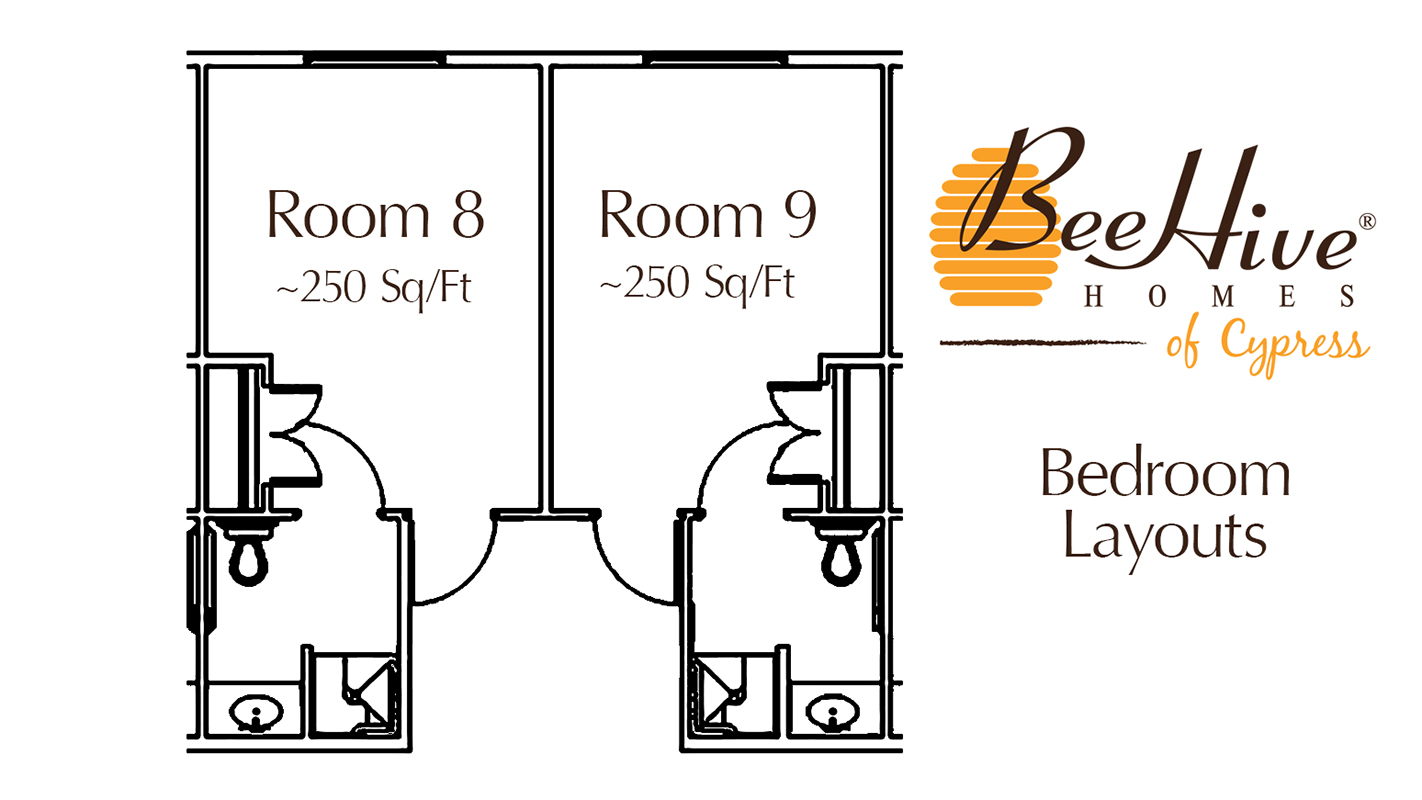
Brick and mortar influence what is feasible. A building can either sustain aging in position or pressure avoidable moves. Households in some cases neglect the physical plant since the entrance hall looks quite. Look deeper. Ask if apartments can suit grab bars without significant building. Inspect whether elevators are sized for stretchers. Observe the illumination at dusk when glare and darkness can trip somebody with low vision.
Private washrooms minimize infections and maintain privacy also as care needs expand. Showers with bench seating and hand-held sticks make it less complicated to transition from minimal assistance to complete aid if needed. Corridors that feel human-scaled, with aesthetic cues and rest areas every 30 or 40 feet, maintain flexibility up. A neighborhood garden with raised beds could sound like a perk, yet it doubles as gentle exercise and a very easy social icebreaker that staff can use to involve someone that resists group activities.
Crucially, search for protected however non-institutional Memory Care on the exact same campus. When cognitive changes emerge, a transfer across town uproots regimens and relationships. A seamless interior shift - in some cases called a bridge program - permits acquainted team to proceed working with the homeowner while brand-new assistances come online.
The silent work of good assessment
Care preparation is occasionally dealt with like documents. In reliable Assisted Living, it is a craft. The nurse that notices a resident's shoes have actually become as well tight, the dining supervisor who swaps a chewy entrée for a softer choice, the activities director who sits with an unwilling newbie at lunch to alleviate the first-week blues - these details make the care strategy real.
Reassessments need to take place officially a minimum of every 6 months, and informally regularly. After a fall, after an emergency room visit, after a medicine change, the plan requires review. One area I collaborated with utilized a basic guideline: any type of change in condition activated a 72-hour monitoring duration. Personnel gathered little information points - over night restroom journeys, hunger, steps taken, state of mind notes - after that fulfilled rapidly to choose if assistances needed to be adjusted. The procedure took a couple of mins per change and conserved plenty of headaches.
Memory Treatment as a continuum, not a final stop
Families frequently ask if they ought to relocate a moms and dad directly to Memory Treatment. Occasionally of course, when straying danger is high, judgment is compromised, or actions endanger safety. More often, the better path is to start in Assisted Coping with memory support layered in. That could suggest a treatment companion knocks at the door to cue dishes and medicines, or escorts a local to a preferred program. It can include wearable technology that informs team if someone exits a risk-free area, without boxing a citizen right into an inflexible schedule.
If and when a devoted Memory Treatment environment comes to be required, connection matters greater than the tag on the door. Do familiar caretakers adhere to the homeowner to the brand-new unit? Are everyday routines maintained, such as early morning music or a mid-day call with a grandchild? Is the program structured yet flexible enough to permit personal selection? The best Memory Look after moms and dads feels like a tighter weave of the very same fabric, not a disconcerting replacement.
Staffing that bends without breaking
Future-proof elderly care relies on cross-trained teams. When assistants can help with standard treatment workouts, and tasks staff recognize very early indicators of delirium, citizens profit. Inflexible silos produce delays. During respiratory system period, a med technology who can swiftly inspect oxygen saturation and rise to nursing avoids tiny problems from becoming hospital stays. In neighborhoods where turnover is reduced, personnel recognize individual background well enough to see changes that a new hire could miss out on. That institutional memory is usually what maintains someone stable.
Ratios matter, but they are not the whole story. An area can publish an impressive variety of caretakers per local and still feel understaffed if timetables cluster at the incorrect times. Reasonable coverage comes to a head in the morning when showering and clothing take place, and again in the evening. Ask to see staffing patterns, not simply totals.
Nutrition, hydration, and the art of the eating room
More hospital stays are protected against at the dining table than in the nurse's workplace. A resident who drinks two added glasses of water every day stands a better possibility of staying clear of urinary system infections and lightheadedness. That seems basic because it is. Areas that develop hydration into daily life - flavorful water stations, natural tea carts, soups at lunch and dinner - maintain residents out of trouble.
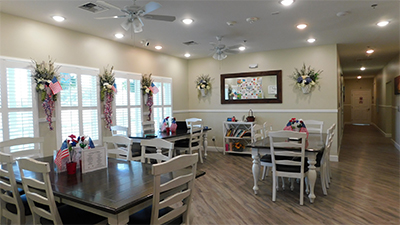
Menus ought to be extra versatile than fancy. A soft diet plan does not require to be dull. Preference changes with age and with medicines. Slightly stronger spices can restore appetite. The kitchen area should have a plan for typical problems: heart-healthy alternatives, carb-controlled plates for diabetes mellitus, lactose-free alternatives. The dining room design matters too. A peaceful edge can make all the difference for somebody with early mental deterioration who ends up being overwhelmed by noise. Staff that recognize citizens by name, and who steer them carefully to their common tablemates, produce a feeling of home that stabilizes everything else.
Technology, when it serves people
The right devices expand staff reach. The incorrect ones develop notifies that everybody finds out to disregard. I prefer basic, purpose-built innovation: discreet activity sensing units for nighttime bathroom trips, bed leave alarm systems for high fall risk, wearable pendants that in fact fit conveniently. Digital care systems assist when they shorten charting time and surface area patterns, not when they add checkboxes that no person reads.
Video calls now operate as part of the care plan. A scheduled weekly chat with household can decrease anxiety, which subsequently improves rest and cravings. Remote monitoring of vitals can be helpful for residents with heart failure or COPD, but only if somebody evaluates the data daily and the resident comprehends the regular. Future-proofing means choosing systems that can be scaled or switched without destroying the floor plan or the day-to-day rhythm.
When the objective is not heal but stability
Many locals cope with numerous chronic conditions. Future-proof treatment concentrates on stability and convenience, not consistent rise. That point of view forms selections. Physical treatment may aim to preserve safe transfers as opposed to go after a go back to unassisted ambulation. Pain monitoring could move from relying on innovation medicine to a steadier baseline regimen plus warm packs prior to activity. Rest hygiene can matter as much as adding a new drug.
The mark of a mature area is the capability to state no to unnecessary interventions and yes to timely ones. I think of a local with innovative joint inflammation that feared bathing days. Team rearranged the routine to wash at once when her pain medication peaked and set up a 2nd grab bar that fit her favored hand. That small adjustment turned a regular challenge into a bearable routine, and her engagement in tasks improved.

The household's duty, reimagined
Families often really feel guilt when they take into consideration assisted living for a parent. The concept of "placing mama somewhere" brings a sting. Yet the objective is not abdication however partnership. The most effective results take place when families share specifics instead of generalities. "Father is an early morning individual" assists, though "He reads the sports area prior to breakfast and chooses oatmeal with honey" helps a lot more. Those details allow staff link rapidly and authentically.
Visits matter, however so does tempo. A lot of changes simultaneously can agitate someone with memory loss. A stable rhythm of contact is frequently much better than long gaps interrupted by extreme sees. If siblings live far away, a turning timetable of short video phone calls can maintain connection and watch for subtle changes. Households ought to be welcomed to care seminars, and communities ought to be transparent concerning pricing and what causes adjustments in fees. Surprises deteriorate trust.
Planning for cash and value
When requires boost, costs generally adhere to. Future-proofing includes comprehending exactly how prices models work. Some neighborhoods cost by level of care, others utilize points for specific tasks, and some wrap lots of assistances into a flat fee with attachments for complex solutions. None is widely better, but clearness matters. Request a hypothetical: what would monthly costs appear like if mother required aid with memory care both showering and dressing, plus hints at each dish? Excellent teams will certainly address straight and show how they try to maintain residents in the least-intensive, secure configuration.
Long-term treatment insurance policy, professionals advantages, and state programs can lower out-of-pocket costs. Eligibility needs vary by state and change over time. A reliable area must provide to direct families towards vetted resources or older law lawyers, not push them into a specific economic product.
Alzheimer's and associated dementias: evolving needs, humane responses
Memory changes rarely follow a straight line. For parents living with Alzheimer's or Lewy body illness, an excellent day can be complied with by a bewildering one. Personnel learnt mental deterioration care reviewed actions as communication. Resistance to bathing could indicate cool, modesty, or discomfort. Sundowning might alleviate with brighter afternoon lights and a light, very early dinner. Social involvement that used to assist can sometimes bewilder. The art hinges on readjusting the environment prior to presuming a new medicine is needed.
When memory care for moms and dads becomes the appropriate setting, style that respects dignity makes all the difference. Open kitchen areas where locals smell coffee and listen to the clink of plates hint mealtime naturally. Darkness boxes with personal pictures at each door assist with wayfinding. Exterior courtyards that are secure to stray offer alleviation to agitated pedestrians, minimizing anxiety and the need for sedatives. Family members who remain engaged as partners, joining for favorite activities or helping build a life story binder, extend the citizen's identification beyond the diagnosis.
Signs it's time to alter care
You do not require to presume whether care needs to be increased. Details signals usually appear initially in daily regimens, not big crises.
- Repeated missed medicines, brand-new confusion around acquainted tasks, or boosted wandering attempts. Noticeable weight loss, dehydration indications like darker pee, or a pattern of urinary system infections. Two or even more falls in a month, or a new fear of standing and walking. Behavior modifications like late-day agitation, rest reversal, or seasonal depressive patterns. Caregiver stress evident in staff or family members notes, recommending present assistances no longer match needs.
When these indications show up, ask for a treatment testimonial. Request for concrete adjustments and timelines. If a community can not express a plan, that is info too.
Avoiding unnecessary hospitalizations
Emergency spaces can set older adults back weeks. An ecstasy episode triggered by a long wait under fluorescent lights might undo development fastidiously earned. Future-proof neighborhoods build clear pathways to treat even more concerns in position. Relationships with mobile x-ray services, checking out nurse professionals, and on-call wound treatment can disperse numerous emergency room journeys. Advancement care preparation additionally matters. When preferences are recorded and recognized, the response to a dilemma is directed by objectives, not panic.
Families can assist by making sure paperwork is existing: power of lawyer, healthcare proxy, and any type of POLST or DNR kinds. Maintain copies with the community and an electronic variation easily available. The unusual times a healthcare facility trip is inescapable, that prep work maintains choices aligned with the local's values.
Helping a moms and dad keep identity
The transfer to Assisted Living usually revives parts of a person that were buried under the work of taking care of a house alone. A teacher illuminate when asked to help with a reading group. A garden enthusiast that assumed she might no more stoop manages plants from a rolling feces. Identity-centered treatment is not fluff. It stabilizes state of mind, which stabilizes rest and appetite, which reduces falls and complication. The causal sequences are real.
I still think about a homeowner, a previous machinist, who shed self-confidence after 2 drops. He ignored team tasks and pulled away to his area. An upkeep manager welcomed him to assist tag and organize tools one afternoon a week. That little function brought him back into the circulation. His stride boosted due to the fact that he moved extra. He rejoined lunch with neighbors. No medication changed. Function did the work.
Questions family members can ask on a tour
Use these prompts to determine whether a community is genuinely versatile instead of merely polished.
- How do you change care plans after a healthcare facility stay or a loss, and what is the common timeline for those changes? Can homeowners obtain improved support in their present home, or do they need to relocate units to add services? What is your method to hydration and nourishment for homeowners who have poor cravings or swallowing challenges? How often do the very same caregivers work with the exact same citizens, and exactly how do you take care of team continuity? If my parent develops substantial memory issues, what are the inner choices prior to a complete Memory Care move?
Listen for specifics. Vague reassurances are less handy than concrete examples.
The viewpoint: remaining all set for the following chapter
Future-proof elderly care is not a product you buy. It is a stance shared by the community, the homeowner, and the family members. It indicates remaining observant, readjusting early, and recognizing the individual at the center of the strategy. Helped Living and Memory Care are tools, not endpoints. When they bend with transforming requirements, a parent's later years can hold convenience, safety, and minutes of genuine joy.
For families evaluating assisted living for a moms and dad, begin with the essentials, after that seek the signals of adaptability: responsive personnel, adaptable style, split supports, straightforward pricing, and a society that deals with little modifications as details as opposed to hassle. Requirements will certainly change. Good care relocations with them.
BeeHive Homes Assisted Living
Address: 16220 West Rd, Houston, TX 77095
Phone: (832) 906-6460